Breed History and Geographic Origin
The Munchkin cat is best known for its unusually short legs, a trait caused by a natural genetic mutation. The breed's modern history began in 1983 when a Louisiana woman named Sandra Hochenedel found a pregnant stray cat with short legs. She named the cat Blackberry, and one of her kittens, Toulouse, became the foundation of the breed. The name "Munchkin" pays homage to the diminutive characters in L. Frank Baum's The Wonderful Wizard of Oz. Despite controversy over breeding for a physical deformity, the Munchkin was officially recognized by The International Cat Association (TICA) in 1995. The breed is still not accepted by the Cat Fanciers' Association (CFA), which considers the short-legged trait detrimental to the cat's health.
Physical Characteristics
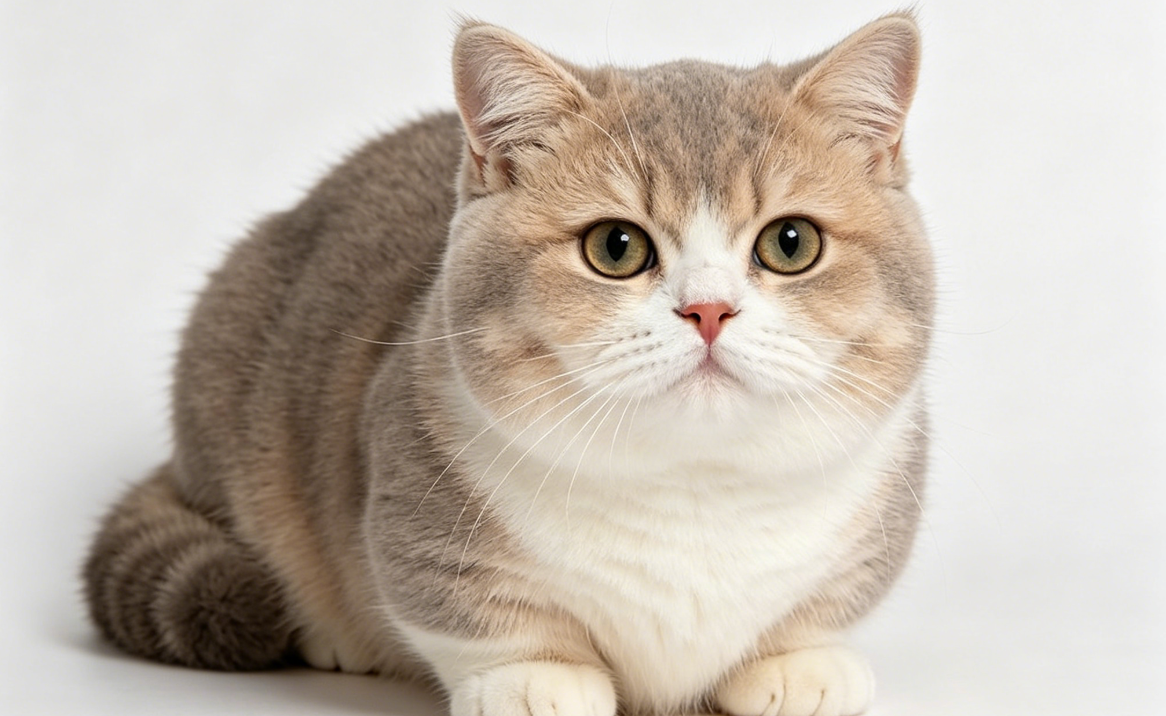
Munchkins are small to medium-sized cats with a distinctive appearance due to their short legs. They typically weigh between 5 to 9 pounds (2.3 to 4 kg), with males slightly heavier than females. The body is moderately long and sturdy, with a broad chest and well-rounded rump. The legs are short but well-boned, and the paws are round and compact. The tail is medium in length and tapers to a rounded tip. The head is a modified wedge shape with rounded contours, large walnut-shaped eyes, and medium-large ears with rounded tips.
The coat can be either short or long. Shorthaired Munchkins have a plush, dense, and soft coat with a medium-length outer coat. Longhaired varieties have a semi-long, silky coat with a slight ruff and tufted ears. Acceptable colors and patterns include all standard cat colors and patterns, with no preference given to any particular combination.
Personality, Temperament and Behavioural Traits
Munchkins are known for their outgoing, playful, and affectionate nature. They are often described as "forever kittens" due to their retained playfulness into adulthood. They are curious and intelligent, often learning to fetch or solve puzzle toys. Despite their short legs, they are agile and can jump surprisingly high, though they may prefer to climb lower surfaces. They are social cats that enjoy human companionship and get along well with other pets, including cat-friendly dogs. They are not particularly vocal but will communicate with soft chirps and mews. Munchkins are adaptable and can adjust to various living situations, though they thrive on attention and interactive play.

Suitability: Families with Children, Apartments, First-Time Owners
Munchkins are excellent family pets due to their gentle and tolerant disposition. They get along well with respectful children and other pets. Their smaller size and moderate energy levels make them well-suited for apartment living, though they still need space to play and climb. They are also a good choice for first-time cat owners, as they are easygoing and require no special care beyond standard cat ownership. However, owners should ensure they have secure window screens and supervise outdoor access, as Munchkins' jumping limitations can make them vulnerable.
Exercise and Mental Stimulation Requirements
While not overly demanding, Munchkins need daily playtime to stay healthy and happy. They enjoy interactive toys like feather wands, laser pointers, and puzzle feeders that challenge their intelligence. Cat trees with low perches, ramps, or stairs can help them navigate vertical spaces safely. Provide scratching posts and tunnels for exploration. Aim for at least 15–20 minutes of active play twice a day.
Grooming Schedule and Coat Care
Grooming needs depend on coat length. Shorthaired Munchkins require weekly brushing with a soft bristle brush or rubber grooming mitt to remove loose hair. Longhaired varieties need brushing 2–3 times per week to prevent mats and tangles, especially around the belly and behind the ears. Bathe only when necessary, and check ears weekly for wax buildup. Trim nails every 2–3 weeks and brush teeth regularly with pet-safe toothpaste.
Common Breed-Specific Health Issues and Average Lifespan
Munchkins are generally healthy cats with an average lifespan of 12–15 years. The most notable health concern is related to their short legs: lordosis, a condition where the spine curves downward due to shortened spine muscles, can cause breathing and mobility issues. Pectus excavatum (sunken chest) is also seen. Because the short-leg gene is dominant, breeders must avoid mating two Munchkins to prevent lethal homozygous kittens. Regular veterinary checkups, a balanced diet, and maintaining a healthy weight are essential to mitigate orthopedic issues.
Estimated Monthly Care Costs
Monthly care costs for a Munchkin cat include:
Total estimated monthly costs range from $65 to $130, not including one-time setup expenses (bed, carrier, litter box, scratching post).