Breed History and Geographic Origin
The Exotic Shorthair, often affectionately called the "lazy man's Persian," was developed in the 1950s in the United States. Breeders crossbred Persians with American Shorthairs to create a cat with the Persian's distinctive round face and plush coat, but with a shorter, more manageable coat. The breed was officially recognized by the Cat Fanciers' Association (CFA) in 1967. Today, the Exotic Shorthair ranks among the most popular cat breeds worldwide, beloved for its easygoing nature and teddy bear appearance.
Physical Characteristics
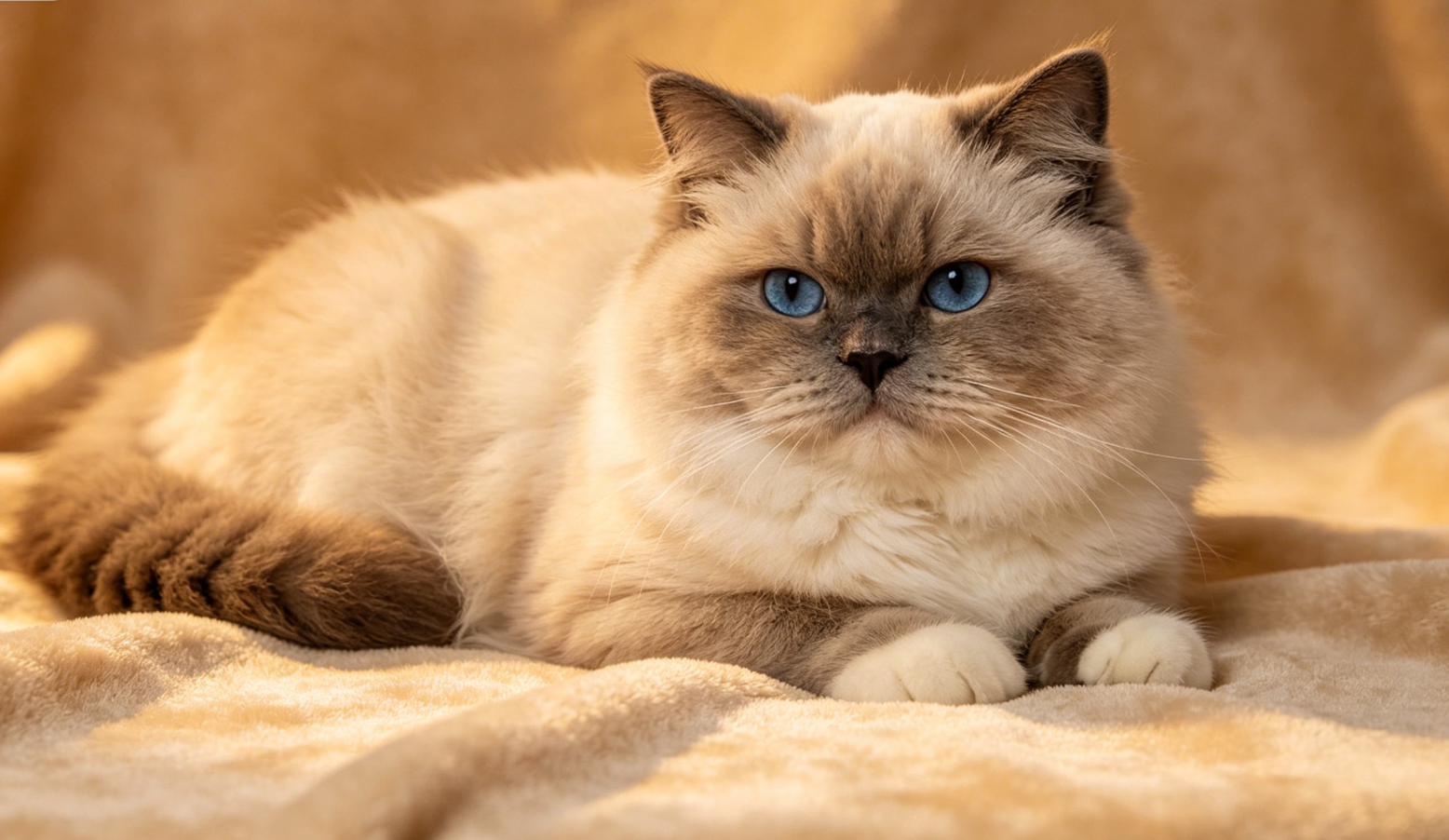
The Exotic Shorthair is a medium to large cat with a solid, muscular build. Males weigh 10–15 pounds, females 8–12 pounds. They have a rounded head, small ears, large round eyes, and a short, snub nose typical of brachycephalic breeds. The coat is dense, plush, and soft, similar to the Persian but shorter. All coat colors and patterns are accepted, including solid, tabby, bicolor, and pointed. Their round eyes come in copper, green, blue, or odd-eyed (two different colors).
Personality, Temperament and Behavioural Traits
Exotic Shorthairs are gentle, affectionate, and calm. They enjoy lounging but also have playful moments. Unlike some high-energy breeds, they are not overly demanding and adapt well to quiet households. They are known for their sweet, even-tempered nature and get along with children, other cats, and cat-friendly dogs. They are moderately vocal, using soft meows to communicate. Exotics bond closely with their owners and appreciate companionship but can tolerate being alone for moderate periods.
Suitability
Families with children: Yes, Exotic Shorthairs are patient and gentle, making them good companions for respectful children over age 6. They are not overly active but enjoy gentle play.Apartments: Excellent. Their low energy level and quiet nature make them ideal for apartment living.First-time owners: Suitable. Their easy-going temperament and lower grooming needs (compared to Persians) appeal to novice cat owners. However, be aware of potential health issues like brachycephalic breathing.
Exercise and Mental Stimulation Requirements
Exotic Shorthairs have moderate exercise needs. They enjoy short bursts of play with interactive toys like feather wands or puzzle feeders. A few 10–15 minute play sessions daily suffice. Mental stimulation can include treat-dispensing toys and cat trees for climbing. They are not prone to destructive behavior if provided with appropriate outlets.
Grooming Schedule and Coat Care
Though their coat is short, Exotic Shorthairs have a dense undercoat that requires weekly brushing to reduce shedding and prevent mats. A rubber grooming mitt or fine-toothed comb works well. Bathe every 4–6 weeks to remove excess oil (unlike Persians, they do not require daily bathing). Clean their facial folds daily with a damp cloth to prevent skin infections. Dental care, nail trimming, and ear cleaning should be part of their routine.
Common Breed-Specific Health Issues and Average Lifespan
Exotic Shorthairs live 12–15 years on average. Health concerns include:
Regular veterinary check-ups and a healthy diet are essential.
Estimated Monthly Care Costs
Monthly costs for an Exotic Shorthair vary by location and lifestyle:
Total estimated monthly cost: $100–$190.