Breed History and Geographic Origin
The British Shorthair Blue, often simply called the British Blue, is one of the oldest and most beloved cat breeds. Its history traces back to ancient Rome, where cats were brought to Britain by Roman legionaries. These cats interbred with native European wildcats, resulting in a sturdy, resilient breed that thrived on farms and in homes. By the 19th century, British cat fanciers began selectively breeding for coat color and type, with the blue (solid gray-blue) becoming the most iconic. The breed was officially recognized in the late 1800s and has since become a symbol of British charm. After World War II, breeders outcrossed with Persians to revive the breed, which contributed to the British Shorthair's plush coat and rounder features.
Physical Characteristics
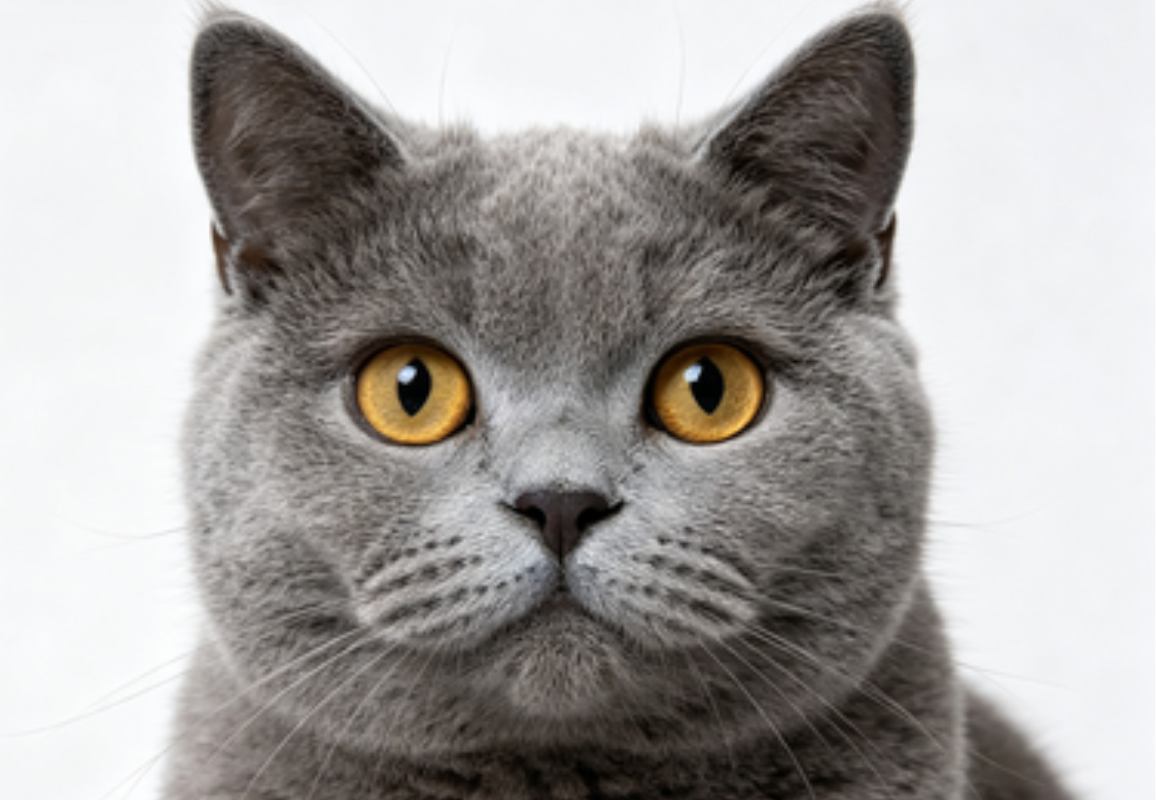
The British Shorthair Blue is a medium-to-large, muscular cat with a broad chest, sturdy legs, and a short, thick tail. Males typically weigh 12–20 pounds (5.5–9 kg), while females are slightly smaller at 8–14 pounds (3.5–6.5 kg). The breed's most striking feature is its dense, plush double coat, which feels crisp and luxurious. The classic blue coat is a uniform slate gray with a silvery sheen, though other colors and patterns exist in the breed. Round, copper or gold eyes complement the soft coat, along with a broad head, chubby cheeks, and medium-sized ears set wide apart. Their expression is sweet and alert.
Personality, Temperament and Behavioural Traits
British Shorthairs are known for their calm, easygoing nature. They are affectionate but not demanding, often following their owners from room to room without being needy. These cats are independent and enjoy their own company, making them ideal for busy households. They are generally quiet, with a soft voice used sparingly. British Blues are also known for their playful side, particularly as kittens, but they mature into dignified adults who prefer moderate play sessions. They get along well with children, other cats, and even cat-friendly dogs, thanks to their even temperament. They are not overly adventurous and are content to lounge on a cozy perch.
Suitability: Families with Children, Apartments, First-Time Owners
The British Shorthair Blue is an excellent choice for families. Its patient and tolerant nature makes it well-suited for homes with respectful children. They are also ideal for apartment living due to their low energy levels and quiet demeanor. First-time cat owners will find the breed forgiving and low-maintenance, as British Blues are not prone to destructive behavior and adapt easily to routines. However, they do best with consistent care and gentle handling.
Exercise and Mental Stimulation Requirements
While not hyperactive, British Shorthairs need daily exercise to maintain a healthy weight. Provide interactive toys, puzzle feeders, and climbing structures to keep them engaged. A typical 15-30 minute play session each day suffices. They enjoy chasing wand toys, batting at balls, and solving treat-dispensing puzzles. Mental enrichment is important to prevent boredom; rotating toys and introducing new challenges will keep them happy. Despite their calm reputation, they benefit from window perches to observe the outdoors.
Grooming Schedule and Coat Care
The British Shorthair's plush coat requires weekly brushing with a rubber brush or metal comb to remove loose hair and reduce shedding. During seasonal shedding peaks, increase brushing to twice a week. Bathing is rarely needed, but occasional baths can help manage oiliness. Their eyes may need gentle cleaning with a damp cloth to remove tear stains. Check ears weekly for dirt and trim nails every 2-3 weeks. Dental hygiene is also important; aim to brush teeth several times a week with cat-safe toothpaste.
Common Breed-Specific Health Issues and Average Lifespan
British Shorthairs are generally healthy, with an average lifespan of 12–20 years. However, they are prone to certain conditions. Hypertrophic cardiomyopathy (HCM), a form of heart disease, is a concern; regular veterinary check-ups can aid early detection. They may also develop obesity, so portion control and exercise are vital. Polycystic kidney disease (PKD) has been reduced through responsible breeding, but testing is recommended. Hemophilia B (bleeding disorder) is rare but can occur. Reputable breeders screen for these issues. Overall, this breed enjoys a long, healthy life with proper care.
Estimated Monthly Care Costs
Monthly costs for a British Shorthair Blue range from $50 to $100, depending on products and veterinary needs. Food: $20–$40 for high-quality dry and wet food. Litter: $10–$20 for clumping litter. Supplies (toys, treats, grooming tools): $10–$20 per month (one-time costs higher). Routine vet care (annual checkups and vaccinations): $10–$20 per month when averaged. Pet insurance: $10–$30 monthly. Unexpected health issues can increase costs, so budgeting an extra $20–$30 per month is wise. Overall, this breed is moderately priced to maintain.