Breed History and Origin
The Blue and White British Shorthair is a striking color variation of the beloved British Shorthair breed. Originating in the United Kingdom, these cats trace their roots back to ancient Roman times, where they were prized as working cats on farms and ships. By the late 19th century, breeders began standardizing the breed, focusing on the iconic round face, dense coat, and sturdy build. The blue and white bicolor pattern was officially recognized by major cat associations later, becoming a sought-after variety for its elegant contrast. Today, these cats remain symbols of British charm and are cherished companions worldwide.
Physical Characteristics
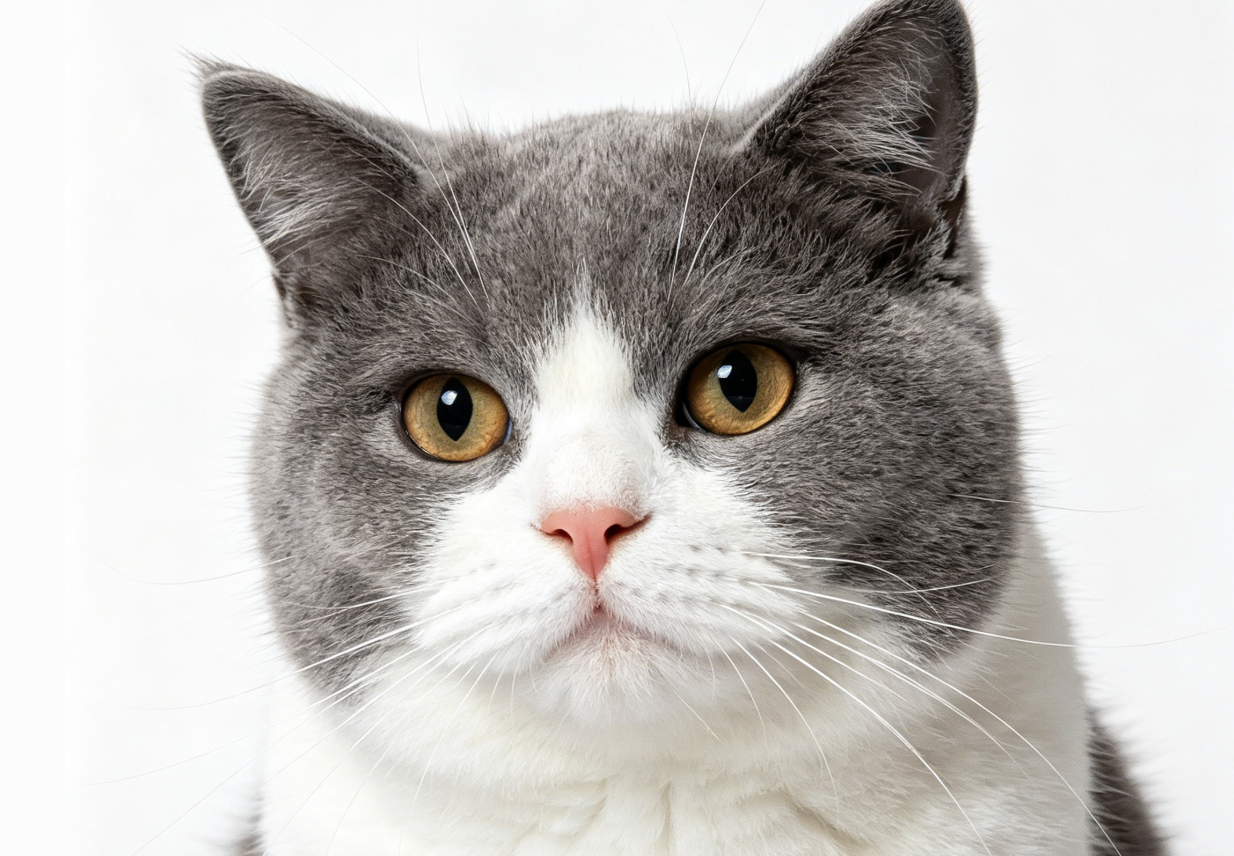
The Blue and White British Shorthair is a medium-to-large, muscular cat with a broad chest and short, strong legs. Adults typically weigh between 9–18 pounds (4–8 kg), with males being larger than females. The coat is plush, dense, and double-layered, featuring a crisp blue-gray and pure white bicolor pattern. Common patterns include a white blaze on the face, white paws, chest, and belly, with blue-gray patches on the back, head, and tail. Their large, round eyes are a deep copper or gold, set in a sweet, expression-filled face. The ears are medium-sized, rounded at the tips, and set wide apart. Distinctive features include a round head, chubby cheeks, and a short, broad nose, giving them a gentle, teddy-bear-like appearance.
Personality and Temperament
Blue and White British Shorthairs are known for their calm, easygoing nature. They are not overly demanding but enjoy quiet companionship. These cats are affectionate without being clingy, often following their owners around the house or curling up nearby. They are generally patient and tolerant, making them excellent with gentle children and other pets. While they can be playful, they prefer interactive toys and short bursts of activity over constant stimulation. They are not particularly vocal but will communicate with soft meows when needed. British Shorthairs can be reserved with strangers initially but warm up quickly. Their adaptable temperament makes them suitable for various living conditions, from busy family homes to serene apartments.
Suitability
The Blue and White British Shorthair is an ideal choice for families with older, respectful children. Their calm demeanor and patience allow them to handle gentle play. They also get along well with other cats and cat-friendly dogs. Due to their moderate activity level, they adapt perfectly to apartment living, provided they have a window perch and interactive toys. First-time cat owners will find them easy to manage since they are low-maintenance in terms of attention and grooming (aside from coat care). However, they do require routine vet visits and a stable environment to thrive. They are not suited for owners seeking a highly active or demanding pet.
Exercise and Mental Stimulation
British Shorthairs have moderate energy levels. They need daily interactive play sessions of 15–30 minutes, using wand toys, puzzle feeders, or laser pointers to keep them mentally sharp. Providing cat trees, scratching posts, and hiding treats encourages natural behaviors like climbing and stalking. Boredom can lead to overeating, so controlling portions alongside enrichment is crucial. Rotate toys regularly to maintain interest. While they enjoy play, they are equally content with lounging, so a balance is key.
Grooming Schedule
The dense double coat requires weekly brushing with a stainless steel comb or soft-bristle brush to remove loose hair and prevent matting. During shedding seasons (spring and fall), increase brushing to 2–3 times per week. Bathing is rarely needed, but regular nail trimming (every 2 weeks) and ear checks (monthly) are essential. Dental hygiene is important; brush teeth weekly with a cat-safe toothpaste. Clean eye corners gently with a damp cloth if tearing occurs.
Common Health Issues and Lifespan
Blue and White British Shorthairs are generally healthy with an average lifespan of 12–20 years. However, they are predisposed to certain conditions: Hypertrophic Cardiomyopathy (HCM) (a heart disease), Polycystic Kidney Disease (PKD) (inherited kidney cysts), and obesity due to their sedentary nature. Regular vet check-ups, a high-protein, low-carb diet, and controlled portions are vital. Responsible breeders screen for HCM and PKD. Spaying/neutering and routine vaccinations are recommended.
Estimated Monthly Care Costs
Costs vary by location, but on average: Food ($30–50 for premium kibble/wet), Litter ($15–25), Toys and treats ($10–20), Routine vet care ($10–30 for flea/tick prevention, dental care). Emergency vet visits or pet insurance can add $20–50 monthly. Total monthly cost: $85–$175. Initial expenses (adoption fee, supplies) may be $200–$500. Budget for annual vet exams ($100–$200) and unexpected health issues.